

Face Gallery
$$MultiPurposeText$$
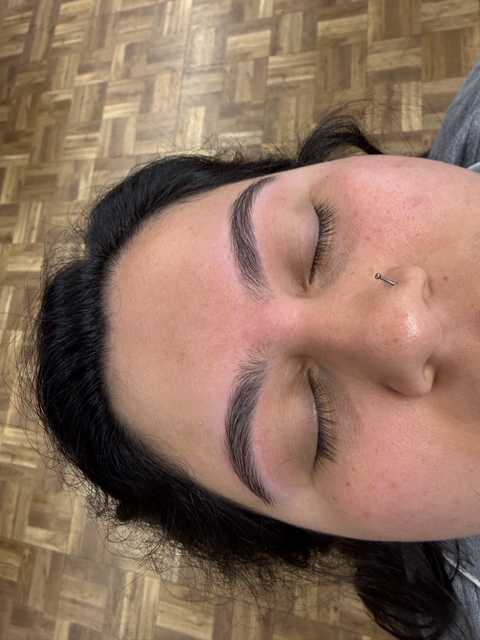
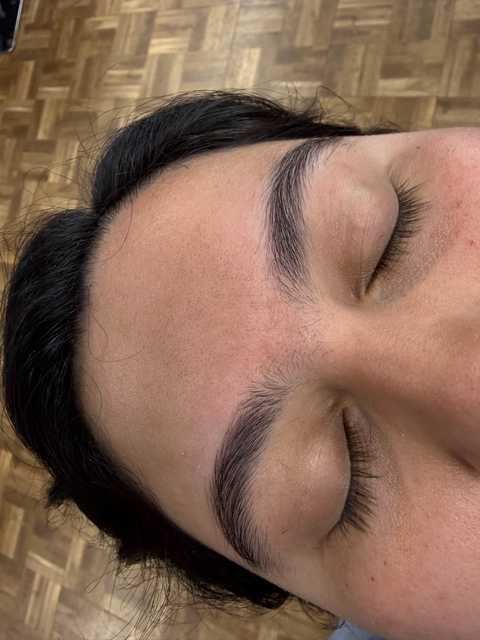
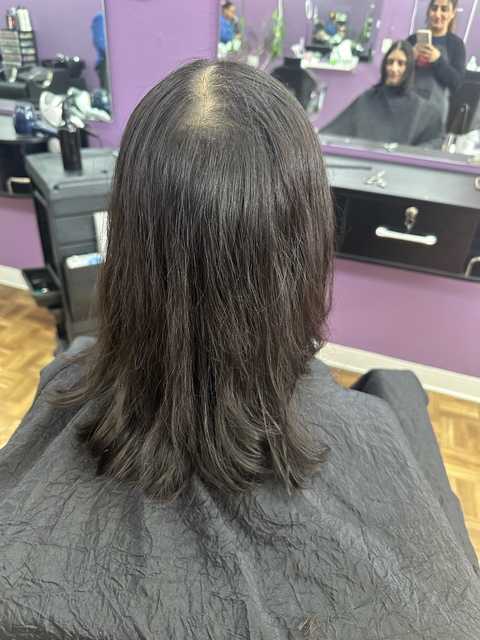
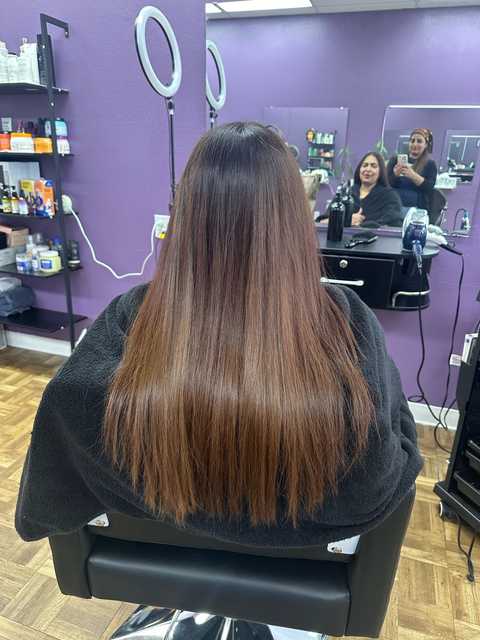
See examples of our Face work and results.








What Our Clients Say
$$MultiPurposeText$$
Read testimonials from our satisfied customers

Very clean and friendly staff. She did great with my hair! Will come back for root touch u...more

Had my eyebrows and upler lip threaded by Sonia. I was pleased with how they turned out. S...more

Had my brows and upper lip threaded by Sonia. She was welcoming and gentle. I left feeling...more

great service!

Lucky is the best! ZERO pain when I get threading done. Such a nice shape and this is hone...more

Sonya facial was the best I’ve ever had!! Her hands are magical

Frequently Asked Questions
Get answers to common questions about Face.
Most clients enjoy smooth skin for three to six weeks, depending on hair growth cycles and individual hormones. Regular waxing often lengthens time between sessions as hair grows back finer and sparser over several appointments.
Sensitivity varies; waxing can feel like quick, sharp tugs but is over fast. Experienced estheticians minimize discomfort with proper technique, skin prep, and calming products. Many clients find waxing tolerable and less irritating than frequent shaving.
Exfoliate gently a few days before to remove dead skin, and avoid retinoids or strong acids for at least 48 hours. Keep hair about quarter-inch long and arrive with clean, product-free skin for best results.
Mild redness and occasional bumps are normal immediately after waxing but usually subside within a few hours to a day. Proper aftercare, soothing gels, and avoiding sun or heavy makeup speed recovery; persistent irritation should be evaluated by our esthetician.
Typically every three to six weeks depending on personal growth rate. Regular appointments train hair to grow back finer and sparser, extending intervals over time. Our specialists recommend a consultation to create a customized schedule based on your hair and skin type.
Many clients with sensitive or acne-prone skin can be waxed safely when handled by experienced estheticians. Pre-screening, gentle techniques, and post-wax calming treatments reduce risk. Active inflamed acne should be treated first; consult our team to determine the best approach.